We may earn a commission for purchases through links on our site at no cost to you, Learn more.
Mounjaro is a prescription medication that has gained significant attention. Many people use it to manage type 2 diabetes. Its active ingredient, tirzepatide, has also shown results in weight reduction. This leads many potential users to ask a very important question. They want to know if their health plan will pay for the prescription. The answer is not a simple yes or no. Insurance coverage for any medication, including Mounjaro, depends on many different factors.
This guide will explain the details of insurance coverage for Mounjaro. We will look at what makes a plan approve or deny this medication. We will explore different types of insurance, such as commercial plans, Medicare, and Medicaid. You will learn about common insurance requirements like prior authorization and step therapy. We will also provide steps to take if your insurance company denies coverage. Understanding these elements will help you find the most accurate answer for your situation. The goal is to give you clear information to help you understand your potential benefits and costs.
Understanding Mounjaro and Its Approved Uses
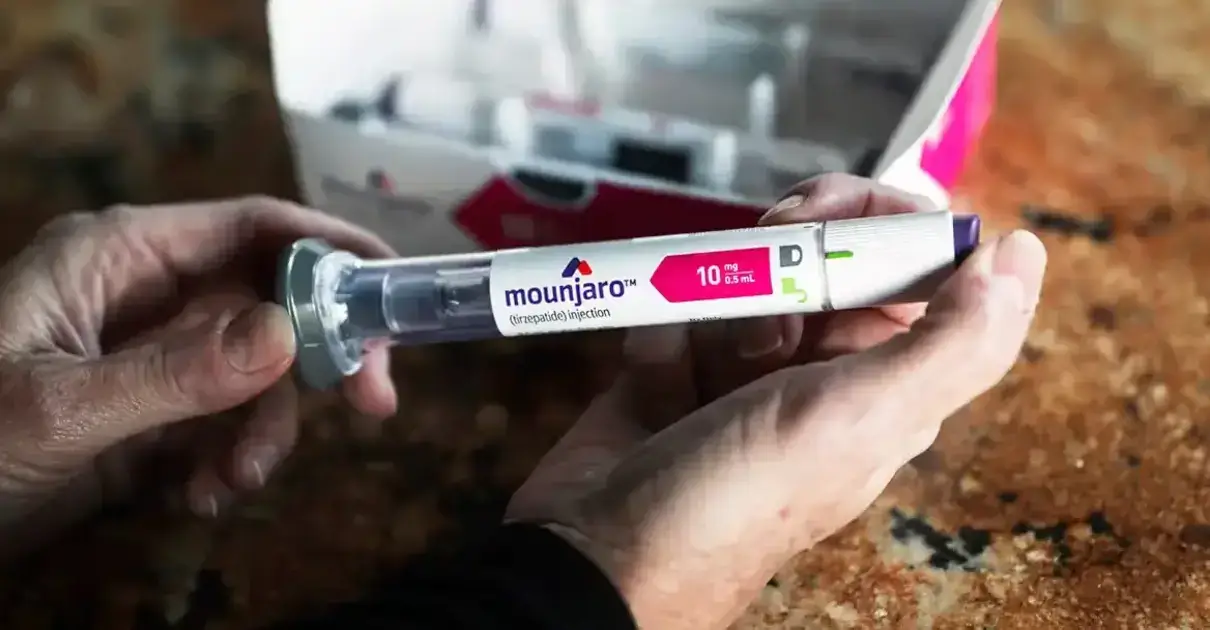
Before looking at insurance, it is important to know what Mounjaro is and why a doctor would prescribe it. Mounjaro is the brand name for the drug tirzepatide. It is an injectable prescription medicine. It helps adults with type 2 diabetes control their blood sugar levels. Mounjaro works by activating two different receptors in the body: the glucagon-like peptide-1 (GLP-1) receptor and the glucose-dependent insulinotropic polypeptide (GIP) receptor. This dual-action mechanism makes it very effective at improving blood sugar control. It can also lead to weight loss as a secondary effect for people with type 2 diabetes.
The U.S. Food and Drug Administration (FDA) has specific approvals for medications. Insurance companies pay close attention to these approvals. The FDA approved Mounjaro to improve glycemic control in adults with type 2 diabetes, along with diet and exercise. This is its “on-label” use. Insurance companies are most likely to cover a medication when it is prescribed for its on-label purpose.
It is also important to know about Zepbound. Zepbound contains the same active ingredient as Mounjaro, tirzepatide. The FDA approved Zepbound specifically for chronic weight management in adults who are obese or overweight with at least one weight-related health condition. This distinction is critical for insurance. If your doctor prescribes Mounjaro for weight loss, your insurance company may consider it “off-label” use. Many insurance plans will not cover off-label prescriptions. If your goal is weight loss, your doctor might prescribe Zepbound instead, but coverage for weight management drugs has its own set of rules. The core question, will my insurance cover mounjaro, often depends on whether your doctor prescribed it for type 2 diabetes.
Key Factors That Determine Insurance Coverage
Several key factors determine if your insurance plan will cover Mounjaro. You must consider all of them to get a complete picture of your potential coverage. These factors apply to almost any prescription drug, but they are especially relevant for new and expensive medications like Mounjaro.
Your Insurance Plan’s Formulary
Every insurance plan has a drug formulary. A formulary is a list of prescription drugs that the plan covers. If Mounjaro is not on your plan’s formulary, the plan will not cover it. You will have to pay the full cash price. You can find your plan’s formulary on your insurance company’s website or by calling the customer service number on your insurance card.
Formularies are often divided into tiers. These tiers determine your out-of-pocket cost, or co-pay.
- Tier 1: Usually includes generic drugs. This tier has the lowest co-pay.
- Tier 2: Includes preferred brand-name drugs. This tier has a medium co-pay.
- Tier 3: Includes non-preferred brand-name drugs. This tier has the highest co-pay.
- Specialty Tier: Includes very high-cost drugs for complex conditions. This tier may require you to pay a percentage of the drug’s cost (coinsurance) instead of a flat co-pay.
Mounjaro is a brand-name drug. It is often placed in Tier 2 or Tier 3, and sometimes on a specialty tier. Its placement on the formulary will directly affect how much you pay each month.
Your Medical Diagnosis
Your diagnosis is one of the most important factors for coverage. As mentioned, the FDA approved Mounjaro for the treatment of type 2 diabetes. If you have a documented diagnosis of type 2 diabetes and your doctor prescribes Mounjaro for it, your chance of getting coverage is much higher. Your doctor will likely need to provide proof of your diagnosis to the insurance company. This can include your medical history and recent lab results, such as your A1c levels.
If a doctor prescribes Mounjaro for weight loss alone, without a type 2 diabetes diagnosis, this is off-label use. Most insurance plans have policies that specifically deny coverage for off-label prescriptions. Furthermore, many employer health plans have an explicit exclusion for any medications prescribed for weight loss. Even if Zepbound (approved for weight management) is prescribed, your specific plan might not cover weight management drugs at all. You must check your plan documents for these exclusions.
How Different Types of Insurance Cover Mounjaro
The type of health insurance you have greatly influences the coverage rules. The policies for commercial plans, Medicare, and Medicaid are very different. You need to understand the rules that apply to your specific type of insurance.
Commercial and Employer-Sponsored Insurance
Most Americans have commercial insurance through an employer or a plan purchased from the Health Insurance Marketplace. Coverage for Mounjaro under these plans varies widely. Each employer decides which benefits to offer in its health plan. One company’s Blue Cross Blue Shield plan might cover Mounjaro, while another company’s plan from the same insurer might not.
Some employers choose to include coverage for weight loss medications, while others do not. If your plan does not have this exclusion, it might cover Zepbound. If your plan does exclude weight management drugs, it will not cover Zepbound or Mounjaro for weight loss. However, that same plan will likely cover Mounjaro if you have a type 2 diabetes diagnosis, because that is a standard medical benefit. Answering will my insurance cover mounjaro when you have a commercial plan requires you to check your specific plan’s formulary and benefit booklet.
Medicare Coverage
Medicare is the federal health insurance program primarily for people aged 65 or older and for some younger people with disabilities. Prescription drug coverage is available through Medicare Part D plans. These are standalone plans or are included in Medicare Advantage (Part C) plans.
Medicare coverage for Mounjaro has specific rules. By law, Medicare Part D plans are not allowed to cover drugs when they are used for weight loss. Therefore, Medicare will not pay for Mounjaro or Zepbound if the prescription is for weight management alone.
However, the situation is different for type 2 diabetes. If Mounjaro is prescribed to treat type 2 diabetes, a Medicare Part D plan may cover it if it is on the plan’s formulary. Many Part D plans do include Mounjaro on their formularies for this use. Even with coverage, you will likely still be responsible for a deductible, co-pay, or coinsurance. Your costs will also depend on whether you are in the initial coverage phase, the coverage gap (or “donut hole”), or the catastrophic coverage phase of your Part D plan.
Medicaid Coverage
Medicaid provides health coverage to millions of low-income Americans. It is a joint program run by federal and state governments. Because states manage their own Medicaid programs, coverage for Mounjaro can be very different from one state to another.
Each state has its own Medicaid drug formulary, also known as a Preferred Drug List (PDL). Some state Medicaid programs may cover Mounjaro for type 2 diabetes, while others might not. Some states may require prior authorization or step therapy before approving Mounjaro. To find out if your state’s Medicaid program covers Mounjaro, you will need to check your state’s Medicaid website or contact your state Medicaid agency. Coverage for weight loss is less common under Medicaid, but some states may have specific programs or waivers that allow it.
The Insurance Approval Process: Hurdles You Might Face
Getting Mounjaro covered is not always as simple as getting a prescription. Insurance companies often have requirements you must meet before they will approve payment for an expensive medication. These requirements are designed to control costs and ensure the drug is medically necessary.
Prior Authorization
One of the most common requirements is prior authorization (PA). A prior authorization is a process where your insurance company must approve the medication before it will pay for it. The insurer wants to verify that the prescription is medically necessary and appropriate for your condition.
If Mounjaro requires a PA, your doctor’s office will need to submit paperwork to your insurance company. This paperwork typically includes:
- Your diagnosis (e.g., type 2 diabetes).
- Relevant lab results (e.g., A1c levels showing poor glycemic control).
- A history of other medications you have tried.
- Notes from your doctor explaining why Mounjaro is the right choice for you.
The insurance company’s clinical team will review this information. They will decide if the request meets their coverage criteria. The PA process can take several days or even weeks. A successful PA is often a mandatory step to get an answer to will my insurance cover mounjaro. If the PA is denied, your insurance will not cover the drug.
Step Therapy
Another common requirement is step therapy. With step therapy, your insurer requires you to try one or more cheaper, preferred medications before they will approve a more expensive drug like Mounjaro. The goal is to see if a less costly alternative works for you first.
For type 2 diabetes, an insurer might require you to try metformin first. Metformin is a very common, effective, and inexpensive first-line treatment. If you try metformin and it does not control your blood sugar, or if you experience intolerable side effects, your doctor can then document this “failure.” After you have tried and failed the required “step” medications, the insurance company may then approve coverage for Mounjaro. Step therapy can delay your access to Mounjaro, but it is a standard practice for many insurance plans.
Quantity Limits
Insurance plans may also impose quantity limits on medications. This means they will only cover a certain amount of the drug per month. For Mounjaro, this usually means they will cover one pack of four pens per 28 or 30 days, which is a standard monthly supply. If your doctor prescribes a higher dose that requires more pens, you may need special approval from the insurer.
What to Do If Your Insurance Denies Mounjaro
Receiving a denial letter from your insurance company can be frustrating. However, a denial is not always the final decision. You have the right to appeal the decision. You also have other options to explore.
Understand the Reason for Denial
The first step is to carefully read the denial letter from your insurance company. The letter must explain exactly why the request was denied. Common reasons for denial include:
- Mounjaro is not on your plan’s formulary.
- The prior authorization request was incomplete or did not meet criteria.
- You did not complete the required step therapy.
- The prescription is for an excluded service (like weight loss).
- The information submitted was not sufficient to establish medical necessity.
Knowing the specific reason for denial is essential for planning your next step.
The Appeals Process
Every insurance plan has an appeals process. You have the right to challenge a coverage denial. The process usually has two main levels:
- Internal Appeal: You ask the insurance company to conduct a full and fair review of its decision. To do this, you or your doctor will submit a formal letter of appeal. This letter should directly address the reason for denial. Your doctor can include a letter of medical necessity. This letter explains in detail why Mounjaro is the most appropriate treatment for your condition. It can include clinical studies, your treatment history, and other evidence to support your case.
- External Review: If the insurance company upholds its denial after the internal appeal, you can request an external review. An independent third party, certified by the state or federal government, will review your case. This reviewer has no connection to the insurance company. They will look at the evidence from both you and your insurer to make a final decision. The insurer is legally required to accept the external reviewer’s decision. A denial is not the final word, and the appeals process can sometimes change the outcome of will my insurance cover mounjaro.
Exploring Alternatives and Savings Programs
If your appeal is unsuccessful or you choose not to appeal, there are other paths to consider. You can talk to your doctor about alternative medications that are on your plan’s formulary. There are other GLP-1 agonists (like Ozempic or Trulicity) that may be covered by your plan and could be effective for your type 2 diabetes.
You can also look for financial assistance. The manufacturer of Mounjaro, Eli Lilly, offers a Mounjaro Savings Card program. This program can significantly reduce your monthly co-pay if you have commercial insurance that covers Mounjaro, or even if it does not cover it but does not have a government-funded component. Patients with government insurance like Medicare or Medicaid are typically not eligible for this savings card.
For patients with low income who are uninsured or underinsured, the Lilly Cares Foundation Patient Assistance Program may be an option. These programs provide medication at little or no cost to eligible individuals. You will need to meet specific income and eligibility requirements to qualify.
Conclusion: Finding Your Definitive Answer
The question “will my insurance cover Mounjaro” does not have a universal answer. Coverage depends entirely on your specific insurance plan, your medical diagnosis, and your plan’s specific rules like formularies, prior authorizations, and step therapy. For individuals with a type 2 diabetes diagnosis, the chances of getting coverage are higher, especially if they have a commercial insurance plan. For those with Medicare or Medicaid, coverage for type 2 diabetes is possible but subject to plan and state rules. Coverage for weight loss is much more difficult to secure and is often explicitly excluded.
To get the most accurate answer, you must be proactive. Start by reviewing your insurance plan’s documents online. Look for the drug formulary and any policies related to your diagnosis. Work closely with your doctor’s office, as they are your best advocate in navigating the prior authorization and appeals processes. They can provide the necessary medical documentation to support your case.
Ultimately, the only way to be certain about will my insurance cover mounjaro is to contact your insurance provider directly. Call the member services number on your insurance card and ask specific questions. Ask if Mounjaro is on the formulary, what tier it is on, and what requirements you must meet for coverage. Taking these direct steps will provide the clarity you need to make informed decisions about your health and treatment.